The Backbone of Modern Flight: What Is Aerospace Systems Engineering?
Aerospace systems engineering is the art and science of designing, integrating, and managing complex aerospace projects. Whether it's a satellite, a commercial aircraft, a space probe, or a fighter jet, each component—from engines and wings to navigation and communication systems—must work seamlessly together. Aerospace systems engineers serve as the masterminds who ensure all these elements align to meet mission goals.
They are not just engineers—they are problem solvers, risk managers, and systems thinkers. Their job involves coordinating teams from various disciplines (mechanical, electrical, software, and structural) and ensuring that every part of a vehicle functions within the entire system. It's not enough for an individual part to work well—it must integrate with the whole, whether that’s surviving a launch or maintaining communication with mission control.
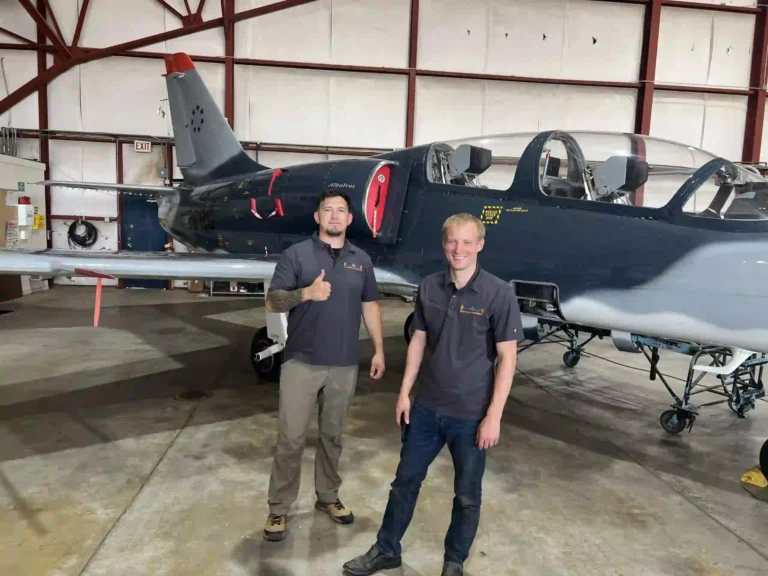
The Avionics Systems Engineer: Master of the Invisible
One of the most critical roles in aerospace systems engineering is that of the avionics systems engineer. Avionics refers to the electronic systems used in aerospace vehicles, including navigation, communication, flight control, and sensor integration. These systems are the brain and nerves of any aircraft, guiding pilots, stabilizing aircraft, and enabling automated functions.
Avionics systems engineers are responsible for designing and integrating these essential systems. They work with hardware like radars, GPS, and transponders, as well as with software that ensures these components communicate effectively. Their work requires a deep understanding of both electronics and software, and it often involves simulating scenarios long before physical testing begins.
For instance, an avionics systems engineer may create a virtual flight to test how the navigation system will respond to turbulence or high-speed maneuvers. These simulations help eliminate potential risks and fine-tune performance without ever leaving the ground.
From Design to Launch: The Lifecycle of Aerospace Systems Engineering
The process of aerospace systems engineering follows a highly organized path. It begins with requirements gathering—identifying what the craft must do, how it should perform, and under what conditions. From there, the team develops preliminary designs, which are refined into more detailed blueprints. These plans undergo rigorous testing through simulations, wind tunnel experiments, and prototyping.
Once built, each system is tested independently and then as part of the full vehicle. Engineers look for failure points, safety issues, and opportunities for optimization. Only after exhaustive validation is the aircraft or spacecraft cleared for operation.
Throughout this process, communication and collaboration are crucial. Aerospace systems engineers act as bridges between specialists, ensuring that all parts—from the landing gear to the flight computer—meet the overall system’s objectives. Any oversight, however small, could jeopardize an entire mission.
Challenges and Innovations in Aerospace Systems
Aerospace systems engineers face unique challenges: weight constraints, fuel efficiency, extreme environments, and the ever-present demand for safety. As technology evolves, they must constantly adapt to new tools, materials, and data analytics.
One of the most exciting frontiers in the field is autonomous flight. Aerospace systems engineers are now developing algorithms and integrated systems that allow aircraft to operate without human pilots. This involves merging avionics, AI, and sensor data in real time—a true systems challenge.
Sustainability is another growing focus. Engineers are exploring electric propulsion systems, lighter composite materials, and cleaner fuels to reduce the environmental impact of aviation.
Conclusion: Where Vision Meets Precision

Aerospace systems engineering is where vision meets precision. It transforms raw concepts into soaring realities. While the world sees a sleek jet or a successful space mission, behind the scenes are teams of engineers—especially avionics systems engineers—who craft the invisible systems that make flight possible. Their genius lies in seeing the big picture while perfecting every tiny detail, proving that even the sky isn’t the limit when science and imagination work hand in hand.


Comments
Post a Comment