Enhancing Flight Safety and Efficiency: The Role of Flight Data Monitoring and the Expertise of Flight Software Engineers
In modern aviation, safety and efficiency are not just goals—they are essential standards. Behind every safe flight lies a sophisticated blend of technology, analysis, and engineering. Two critical elements working quietly behind the scenes are Flight Data Monitoring (FDM) and the highly skilled flight software engineers who ensure systems operate precisely. Together, these forces contribute significantly to preventing incidents, improving operations, and building a more efficient air travel experience.
What is Flight Data Monitoring?
Flight Data Monitoring is the process of collecting, analyzing, and using data from flight operations to enhance safety and performance. During each flight, aircraft generate vast amounts of data—engine performance, altitude, airspeed, system warnings, pilot inputs, and more. FDM captures this information through onboard systems and downloads it for post-flight analysis.
This continuous stream of data helps airlines identify trends, detect anomalies, and address potential safety issues before they escalate. It acts as an early-warning system, giving insight into possible areas of concern, whether it's recurring maintenance needs or deviations in flight behavior.
By analyzing this data, aviation teams can proactively recommend corrective actions and provide training based on real-world scenarios. Ultimately, FDM supports a culture of continuous improvement in aviation.
The Critical Role of Flight Software Engineers
While data collection is important, turning that data into actionable insights requires powerful tools—this is where flight software engineers come into play. These specialists design, develop, and test the software systems that control modern aircraft operations. From navigation and autopilot to safety protocols and simulation systems, flight software engineers are the architects behind the digital side of aviation.
They create complex algorithms that interpret flight data in real time and post-flight, helping airlines respond swiftly to in-flight events or unusual trends. Their work also involves optimizing software that powers flight simulator setup environments. These simulators are used to replicate real-life scenarios, enabling pilots and maintenance crews to practice procedures and improve their response to emergencies.
Flight software engineers also play a role in integrating systems with aviation technical services, ensuring seamless coordination between aircraft data, ground-based diagnostics, and maintenance management systems.
Integrating Flight Data with Aviation Technical Services
Once FDM data is analyzed, it doesn't just sit in a database. The next critical step involves sharing insights with aviation technical services—the teams responsible for maintaining aircraft, inspecting systems, and ensuring compliance with safety regulations.
By integrating FDM insights with aviation technical services, airlines can implement data-driven maintenance, identify recurring issues, and adjust maintenance schedules based on actual aircraft usage instead of fixed intervals. This reduces unnecessary servicing, saves costs, and avoids mechanical surprises mid-flight.
It also supports predictive maintenance strategies. For example, if FDM reveals a consistent pattern of minor engine fluctuations under certain conditions, technical teams can intervene early to avoid future engine failure. This strategic use of data reduces downtime and enhances overall fleet reliability.
Flight Simulators: Training for the Unexpected
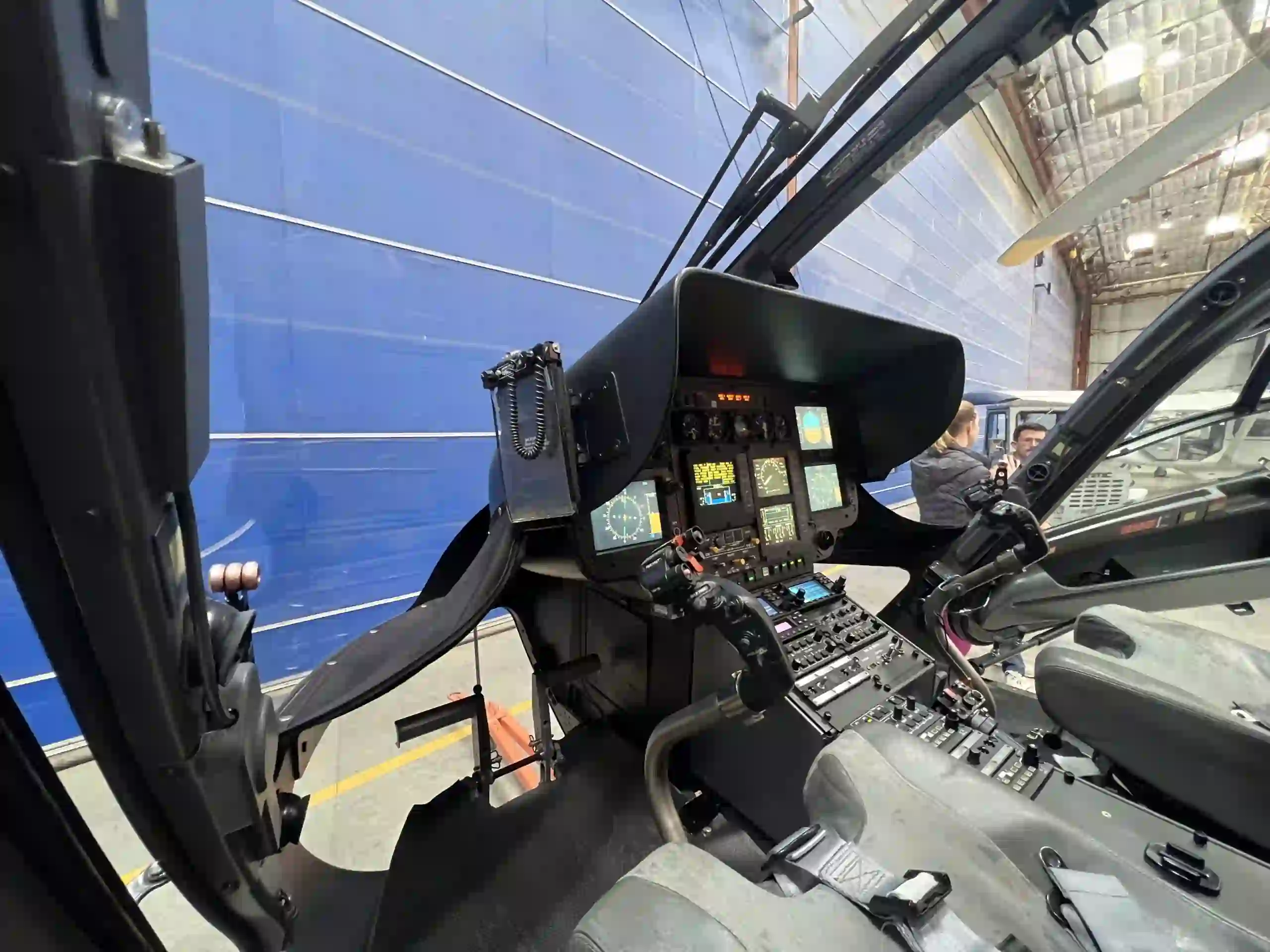
A key part of improving flight safety lies in flight simulator setup and training. Flight simulators have advanced significantly in recent years, closely mimicking the cockpit environment and real-time aircraft behavior. Thanks to the software built by flight engineers and fed with real flight data, simulators offer realistic training experiences for pilots.
FDM plays a vital role here too. Data from real flights—especially incidents and near misses—are fed into simulators to create realistic scenarios. This helps pilots train in rare but dangerous conditions, like sudden engine failure or extreme weather. The result is a more confident, well-prepared flight crew that knows how to respond under pressure.
A Collaborative Future in Aviation
The collaboration between flight software engineers, data analysts, maintenance crews, and pilots forms a strong ecosystem for aviation safety. As technology advances, these teams will rely even more on machine learning, real-time analytics, and integrated systems to improve decision-making and performance.
With growing air traffic and increasing pressure to reduce emissions and improve efficiency, the role of data and engineering becomes even more important. Smarter flight operations lead to reduced fuel consumption, better maintenance planning, and a lower environmental footprint—all while keeping passengers safer than ever before.
Conclusion: The Future is Data-Driven and Engineered for Safety
Flight Data Monitoring and the expertise of flight software engineers are transforming the aviation landscape. By merging real-time insights with technical innovation, the industry continues to raise the bar for flight safety and operational excellence. Whether through predictive maintenance, smarter simulator training, or streamlined technical services, these behind-the-scenes heroes ensure every flight is as safe and efficient as possible. As aviation moves forward, this synergy of data and engineering will remain a cornerstone of progress.


Comments
Post a Comment